Restore windshield adhesion to stop leaks, cut wind noise, and keep your vehicle safe.
Windshield rebonding corrects bond separation when the original urethane adhesive fails to maintain structural contact between the windshield and the vehicle frame. Vibration, improper installation, contamination, or aging adhesive weakens perimeter adhesion and compromises windshield retention. Rebonding removes degraded urethane, prepares the pinchweld surface, and reinstalls the windshield with fresh urethane adhesive to restore secure structural attachment.
South Bay Auto Glass Repair performs windshield rebonding through AGSC-certified, factory-trained technicians who follow controlled removal and adhesive application procedures. Our team cuts out the windshield, strips compromised urethane, applies approved primer, and sets the glass with professional-grade urethane adhesive to reestablish bond strength. Windshield rebonding restores perimeter sealing, reinforces structural stability, and prevents continued bond failure during driving.
Fill out the form below and we'll get back to you within 24 hours
For immediate scheduling assistance or mobile service dispatch
Available through our website with real time availability confirmation
Schedule Online NowWindshield rebonding operates under defined performance highlights that enforce adhesive bead integrity, maintain continuous perimeter contact, and strengthen structural retention between the windshield glass and the vehicle frame.
Windshield rebonding seals gaps that cause dripping, musty smells, whistling, and wet carpet after rain or a car wash. When active leakage is present, we also evaluate the vehicle for windshield leak repair to confirm the bond failure is fully corrected.
Windshield rebonding rebuilds proper adhesion at the pinchweld so the windshield supports roof strength and airbag deployment performance.
Windshield rebonding addresses loose moldings, contamination, missed primer, improper cure, or a thin bead from a previous replacement.
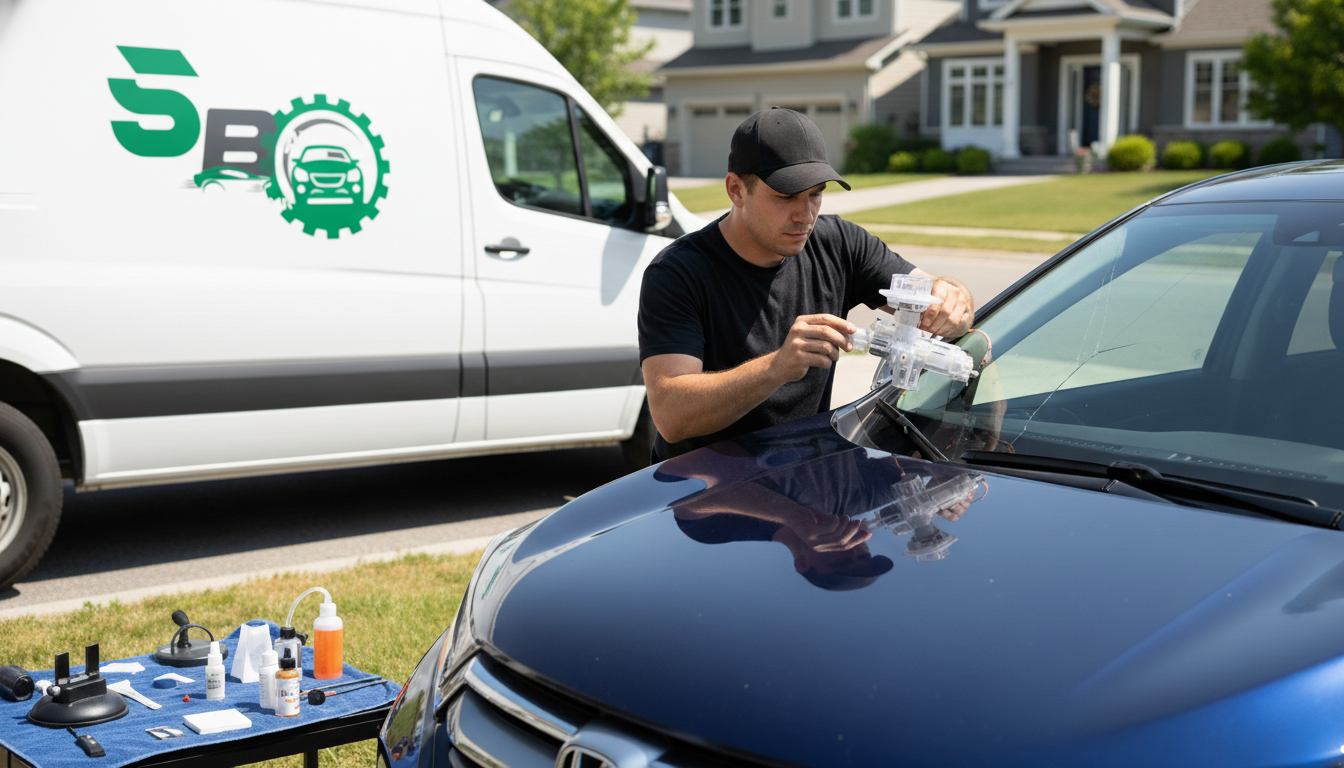
Our technicians can perform many windshield rebonding repairs on site, based on access, damage, and the existing bond condition.
We use auto glass grade urethane, primer, and cleaning agents, then follow Safe Drive Away Time so the bond cures correctly.
Choose our windshield rebonding to correct adhesive failure with controlled preparation, precise bond alignment, and verified structural retention. South Bay Auto Glass Repair assigns AGSC-certified, factory-trained technicians who prioritize safety, fit, and bond integrity over quick patchwork repairs.
Our team inspects the windshield perimeter, molding, and pinchweld for adhesive failure, rust, or movement. We identify contamination such as dirt, moisture, old silicone, or oily residue that can cause delamination.
We remove failing adhesive, clean and prepare the bond line, apply correct primer coverage, and lay the proper urethane bead size to seat the glass evenly. We align the windshield with stable positioning and protect the vehicle interior and dash area during removal and reinstallation steps.
We complete windshield rebonding with verification. We confirm uniform seating, proper molding fit, and leak risk points along the top corners and A pillars. You receive clear communication on cure time and Safe Drive Away Time so you can drive with confidence. We focus on long-term bond stability, not repeat repairs.
Clear signs of bond separation at the glass edge or at the pinchweld indicate the need for Windshield Rebonding before structural retention and sealing performance decline further. When adhesion fails along the perimeter, the windshield can no longer maintain proper attachment or resist moisture and air intrusion.
Dripping near the rearview mirror area, wet floor mats, or water trails down the A pillar trim indicate bond separation. A failed bond often appears at the upper corners where wind load and stress concentrate.
Air leaks that create a high pitch whistle at highway speed point to perimeter adhesion failure. You may notice the cabin feels drafty even with the windows closed.
Edge lift, molding that will not sit flush, or glass that looks slightly proud or sunken, confirms perimeter instability. Gaps invite moisture, debris, and corrosion.
Glass that shifts during door slams, body flex, or rough roads indicates weakened bonding. Squeaks or perimeter movement confirm structural instability.
Contamination, skipped primer, improper caulk, or incorrect clamping and cure time from a previous installer lead to delamination, bond voids, and repeated leaks.
Clear signs of bond separation at the glass edge or at the pinchweld indicate the need for Windshield Rebonding before structural retention and sealing performance decline further. When adhesion fails along the perimeter, the windshield can no longer maintain proper attachment or resist moisture and air intrusion.
Dripping near the rearview mirror area, wet floor mats, or water trails down the A pillar trim indicate bond separation. A failed bond often appears at the upper corners where wind load and stress concentrate.
Air leaks that create a high pitch whistle at highway speed point to perimeter adhesion failure. You may notice the cabin feels drafty even with the windows closed.
Edge lift, molding that will not sit flush, or glass that looks slightly proud or sunken, confirms perimeter instability. Gaps invite moisture, debris, and corrosion.
Glass that shifts during door slams, body flex, or rough roads indicates weakened bonding. Squeaks or perimeter movement confirm structural instability.
Contamination, skipped primer, improper caulk, or incorrect clamping and cure time from a previous installer lead to delamination, bond voids, and repeated leaks.
Windshield rebonding follows a controlled repair process that targets bond failure and sealing issues.
We inspect the windshield edge, frit band, molding, and pinchweld area. We look for adhesive lift, gaps, rust, paint damage, and prior caulking attempts.
We protect the dash, seats, and fabric trim. We remove necessary exterior trim and wiper cowl access points as needed.
We cut out the windshield when needed and remove the old urethane bead to the correct residual height. We remove loose material and any silicone residue.
We clean, degrease, and scuff the bonding area when required. We apply primer to the glass and pinchweld based on the adhesive system.
We apply a continuous urethane bead, set the windshield on setting blocks, align it evenly, and secure it while the adhesive cures.
We follow Safe Drive Away Time, then check molding fit and seal integrity. We can perform leak testing when conditions allow.
Windshield rebonding depends on proven urethane adhesive, primer, and surface prep products that meet auto glass safety requirements. We select materials based on vehicle type, weather, and cure time needs.
Windshield rebonding is a repair service that removes a leaking or loose windshield, prepares the glass and pinchweld, and reinstalls the windshield using fresh urethane adhesive and proper primer steps. This process restores structural integrity, prevents water leaks, and ensures the windshield meets manufacturer bonding standards.
You need windshield rebonding when the glass has no cracks, major pitting, or edge damage, but the bond has failed. Rebonding corrects gaps, contamination, or poor prior installation that causes leaks or wind noise. The service restores proper adhesion without replacing an undamaged windshield.
Windshield rebonding stops leaks and wind noise by restoring a continuous urethane bead and full adhesion between the glass and frame. A sealed bond blocks water intrusion and eliminates air gaps that cause whistling at highway speeds above 55 mph. Proper primer and curing create a watertight, airtight seal.
Windshield rebonding takes 2 to 4 hours for removal, surface preparation, and reinstallation. Safe Drive Away Time ranges from 30 minutes to 4 hours, depending on the urethane cure rate, temperature between 40°F and 90°F, and humidity levels. Technicians confirm the exact drive-away time for your vehicle.
Yes, mobile windshield rebonding works at your home or office when technicians have safe access, stable ground, and enough space to remove trim and set the glass correctly. Jobs require dry conditions between 40°F and 90°F for proper urethane curing. Severe weather or rust repair requires in-shop service.
Windshield rebonding can require ADAS calibration when the vehicle uses a forward-facing camera or sensors mounted to the windshield. Rebonding can shift the camera position by millimeters, which affects lane-keep assist, adaptive cruise control, and collision warning systems. Technicians inspect the system and perform static or dynamic calibration when required.
Schedule windshield rebonding with South Bay Auto Glass Repair by calling the team to request a quick inspection and quote. The process starts with verifying bond failure, confirming the vehicle make and model, and selecting mobile service in Southern California or in-shop repair based on conditions.
| Popular Services | Common Requests | Specialized Repairs |
|---|---|---|
|
Windshield Rebonding Windshield Rebonding Service Mobile Windshield Rebonding Professional Windshield Rebonding Windshield Rebond Repair |
Affordable Windshield Rebonding On Site Windshield Rebonding Windshield Reinstallation Windshield Resealing Windshield Reglaze |
Pinchweld Prep Urethane Adhesive Safe Drive Away Time Windshield Bond Failure Windshield Rebond Repair Leak Test |